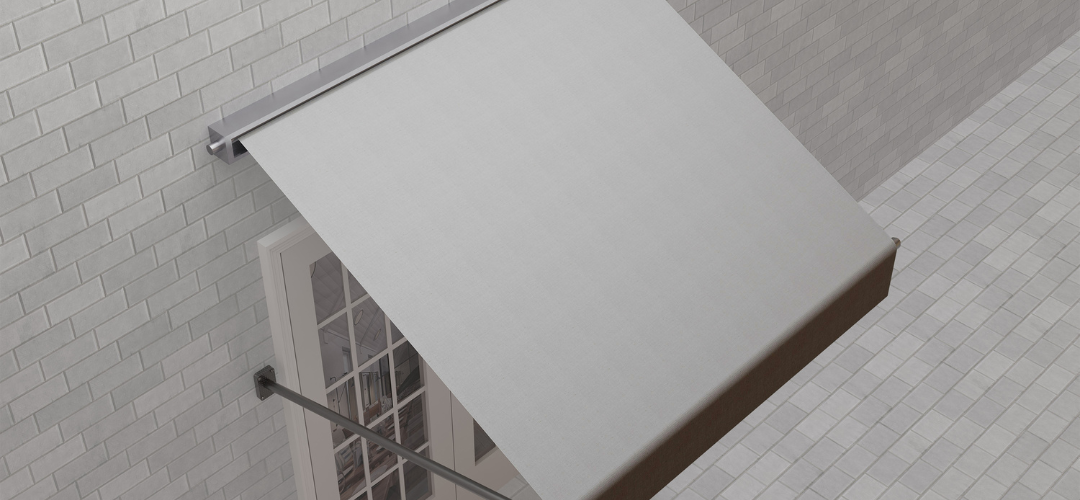
You step outside with your morning coffee and finally see it in the daylight. Your awning looks tired. Pollen has settled into the weave, a bird left a calling card near the edge, and a few dingy streaks run down the front like the fabric gave up.
So you wonder, what is the cleaning trick the pros actually use? Most people grab one bucket and a brush, and that is exactly where things go wrong. The 2 bucket wash method is the simple fix.
It matters most for delicate materials like Sunbrella fabric and vinyl awning panels. This guide walks you through how professionals clean without grinding dirt back in, fading the color, or cutting the life of the material short.
Quick Answer: What the 2-Bucket Method Actually Does
Let’s get straight to it, because you came here for a clear answer.
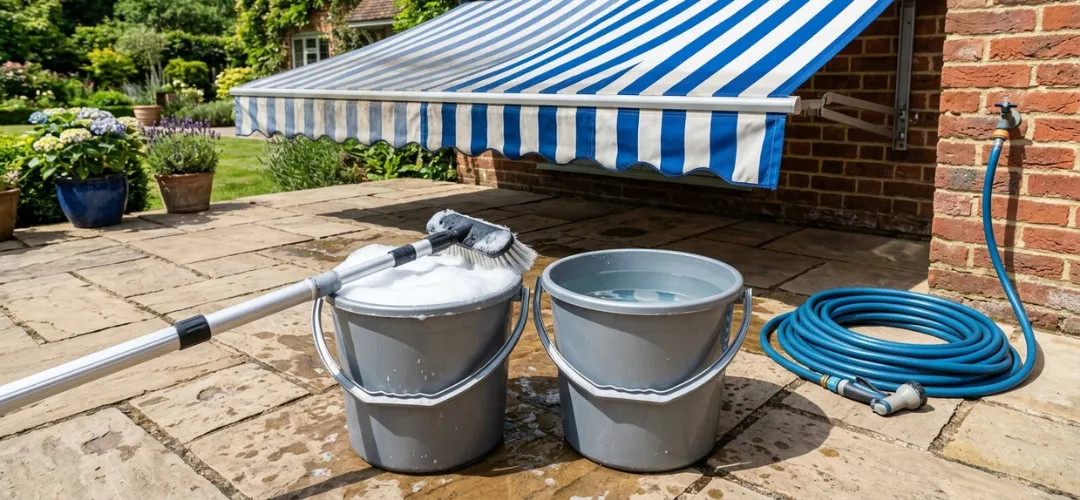
So what is the two-bucket method for cleaning? It is exactly what it sounds like. You use two buckets instead of one. The first is your soapy bucket, filled with a gentle cleaning solution. The second is a rinse bucket holding plain water.
Here is the part that does all the work. Before your mitt goes back into the soap, it gets dunked and swished in the clean water first. That second bucket catches the abrasive grit you just lifted off the fabric, so it never makes it back onto the awning.
In a one bucket setup, that grit goes right back into your soap, and the next pass smears it across the material like sandpaper. That is what causes scratching and dull spots on delicate surfaces.
Because the dirt has somewhere to go, this counts as a safe awning cleaning technique that protects the weave and the color at the same time.
Why Delicate Awnings Need a Different Cleaning Approach
Now that you know how the two buckets split the work, here is why your awning needs that kind of care in the first place.
Awning fabric is not like a kitchen counter. It has texture. Those tiny fibers grab onto everything the air throws at them. Pollen settles deep into the weave. Dust packs in. Tree sap gets sticky and traps even more debris. And bird droppings? They are acidic, so they sit there quietly eating at the finish.
Proper awning cleaning is less about elbow grease and more about lifting grime away instead of pushing it around. That gentle approach is what keeps the color bright.
This is also why so many awnings fade and wear out years too early. The damage is rarely from the weather alone. It builds up wash after wash, when cleaning your awning gets done the rough way. The fibers fray, the protective coating thins, and the fabric starts looking chalky.
Switch to gentle cleaning for awnings and the math flips in your favor. Less abrasion means less fading, fewer thin spots, and a finish that holds up. Do it right and you genuinely extend awning lifespan by years, which is a real return for a $30 setup.
The Tools Professionals Use Before They Start
Before any pro touches the fabric, they lay out their gear. A little prep here saves a lot of frustration later, and honestly, you probably have most of this already.
Here is what goes into a proper two bucket wash kit:
- Two buckets. One for soap, one for rinse water. A grit guard in the bottom of each is a nice bonus, since it traps debris below the line where your mitt reaches.
- A soft microfiber wash mitt or soft brush. Microfiber lifts dirt up into the fibers and away from the surface. A boar’s hair brush works too for textured weaves. Skip anything stiff.
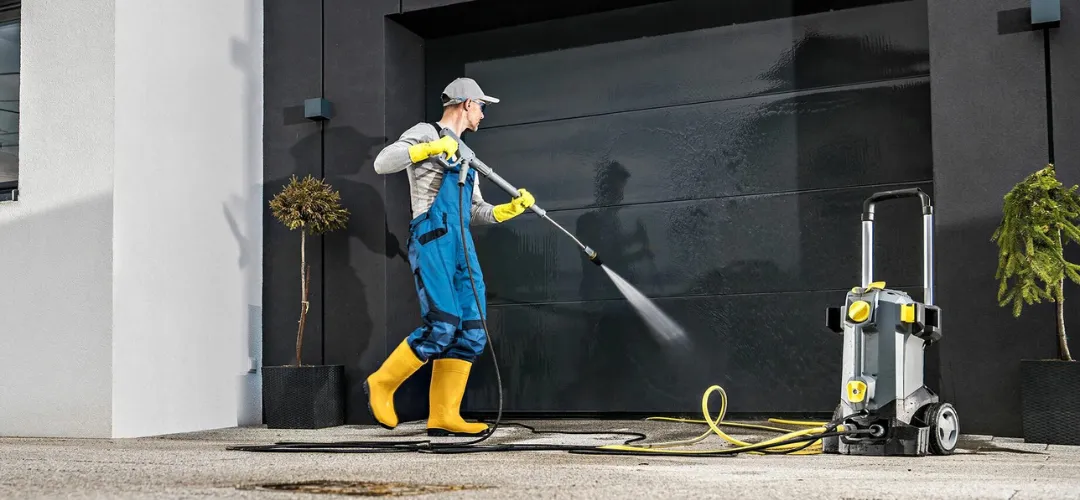
- A garden hose on low pressure. Gentle flow only. No pressure washers near delicate fabric.
- pH-neutral soap. Something mild like Woolite or a dedicated fabric wash. Harsh degreasers strip the water-repellent coating right off.
- A fabric protectant. Optional, but smart. A product like 303 Fabric Guard reseals the weave after a deep clean.
Most awning cleaners you find at the store fall into two camps: gentle formulas built for delicate weaves, and aggressive ones meant for concrete and siding. You want the first kind. The best cleaning solution for delicate awnings is almost always a mild, pH neutral mix rather than anything that foams up like industrial degreaser.
Step by Step: The 2-Bucket Awning Cleaning Method
With your buckets filled and your gear ready, here is the process from start to finish. Follow the order. The sequence is what makes the whole thing work.
Step 1: Choose the Right Day and Fully Extend the Awning
Timing matters more than people think. Pick an overcast day or a cool morning, and stay out of direct sunlight.
Why? Because heat dries soap fast. If the sun bakes the suds before you can rinse, you get streaks and water spots that are a pain to remove. Then unroll the awning all the way so every inch is reachable and flat.
Step 2: Pre-Rinse Loose Dirt First
Never start scrubbing dry fabric. Give the whole awning a gentle pre-rinse with your low-pressure hose first.
This knocks off the loose dirt, the pollen, and the dry leaves before your mitt ever touches the surface. Skip this and you are just grinding that debris in. Keep the water soft and even, top to bottom, and let gravity carry the grime down and off.
Step 3: Wash With the Soap Bucket
Dip your mitt into the soapy bucket and start at the top. Work in sections, using slow, overlapping passes in straight lines rather than circles. Straight strokes hide better if any fine scratch ever shows.
The whole point of this awning cleaning method is a light touch. Let the soap do the lifting and resist the urge to bear down hard. This is soft washing awnings, not scrubbing a driveway, so easy pressure wins every time.
Step 4: Rinse the Mitt in the Clean Water Bucket
Here is the move that separates this from an ordinary wash. After every section, do not dunk your dirty mitt straight back into the soap.
Swish it hard in the rinse bucket first. Agitate it against the bottom to shake the grit loose, wring it out, and only then reload it in the soapy bucket. That clean water bucket is where the dirt goes to die, which keeps your soap clean and your fabric safe.
Step 5: Final Rinse From Top to Bottom
Once the whole awning is washed, rinse it thoroughly with the hose. Go top-to-bottom rinse style, letting the water sheet down and carry every last bit of suds away.
Do not leave soap behind. Dried residue attracts new dirt and can leave a cloudy film on the fabric. Keep rinsing until the water runs clear and you see no more foam pooling at the bottom edge.
Step 6: Dry Fully Before Retracting
This last step is the one people rush, and it costs them. Leave the awning fully extended until it is bone dry. Let it air dry completely.
Rolling up a damp awning is a direct invitation for mildew and mold growth. Trapped moisture in folded fabric breeds spots fast, sometimes within days. Solid mildew prevention is just patience. Once it is dry, this is also the perfect moment to mist on a fabric protectant and refresh that water-repellent coating.
Common Awning Stains and How Professionals Handle Them
Sometimes a regular wash is not enough. Certain stains dig in and need a little extra attention. The trick with awning stain removal is to stay gentle and let the cleaner do the work over time instead of attacking the fabric.
Here is how pros tackle the usual suspects:
| Stain Type | What Causes It | Gentle Fix |
| Bird droppings | Acidic mess that eats the finish | Rinse first, then dab with pH-neutral soap and let it sit before wiping |
| Pollen | Fine powder packed into the weave | Pre-rinse heavily, then a soft soapy pass |
| Tree sap | Sticky residue that traps dirt | Soften with warm soapy water, work slowly, never scrape |
| Mildew spotting | Moisture trapped in the fabric | A diluted, fabric-safe cleaner and full drying afterward |
| Black streaks | Dirt washing down from the top edge | Top to bottom soapy passes, repeated lightly if needed |
One thing to keep in mind. The right treatment depends on your material. A Sunbrella weave handles moisture differently than a vinyl awning, so always test a small hidden spot first and skip the bleach. Patience beats force every single time.
How Often Should You Clean Your Awning?
So how often should this happen? It depends on where your awning lives and what the air around it carries. No one number fits everyone, but here is a realistic guide.
- Residential patio awnings: A light rinse every few weeks and a full wash two to three times a year usually keeps them fresh.
- Storefront awnings: These face more grime, foot traffic, and exhaust, so plan on a full clean every couple of months to keep them looking sharp for customers.
- Tree-covered areas: Sap, leaves, and bird droppings pile up fast here. Check monthly and wash whenever you see buildup.
- Coastal or pollen-heavy regions: Salt air and heavy pollen seasons call for more frequent rinses, sometimes weekly during peak months.
A quick rinse between deep cleans goes a long way. The less time grime sits in the fabric, the less scrubbing you ever have to do.
The Bottom Line
Knowing how to clean delicate awnings the right way is not about working harder. It is about working smarter so the grit ends up in the rinse bucket instead of scratched into your fabric.
If you have ever asked what is the safest way to clean awnings without wrecking them is, this is your answer. The best way to clean fabric awnings keeps abrasion low, stops stains from setting in, and protects the color you paid for. That means cleaning awnings without fading the fabric and getting years more life out of every panel.
If all of this sounds like more weekend work than you want to take on, you do not have to do it alone. Our team at The Awning Cleaners handles the whole process for you, the safe way, start to finish.
Frequently Asked Questions
1. What is the safest way to clean delicate awnings?
Use a gentle two-bucket method with a pH-neutral soap, soft mitt, and low-pressure rinse to avoid fabric damage.
2. Can you pressure wash fabric awnings?
No, pressure washing can weaken fibers, cause fraying, and strip protective coatings from delicate awning materials.
3. How often should I clean my awning?
Light rinsing every few weeks and a full cleaning 2–3 times a year is ideal for most residential awnings.
4. What is the best cleaning solution for fabric awnings?
A mild, pH-neutral detergent like Woolite or a dedicated fabric cleaner works best without damaging the material.
5. How do professionals prevent awning fabric from fading during cleaning?
They use gentle techniques, avoid harsh chemicals, clean in shaded conditions, and rinse thoroughly to prevent residue buildup.