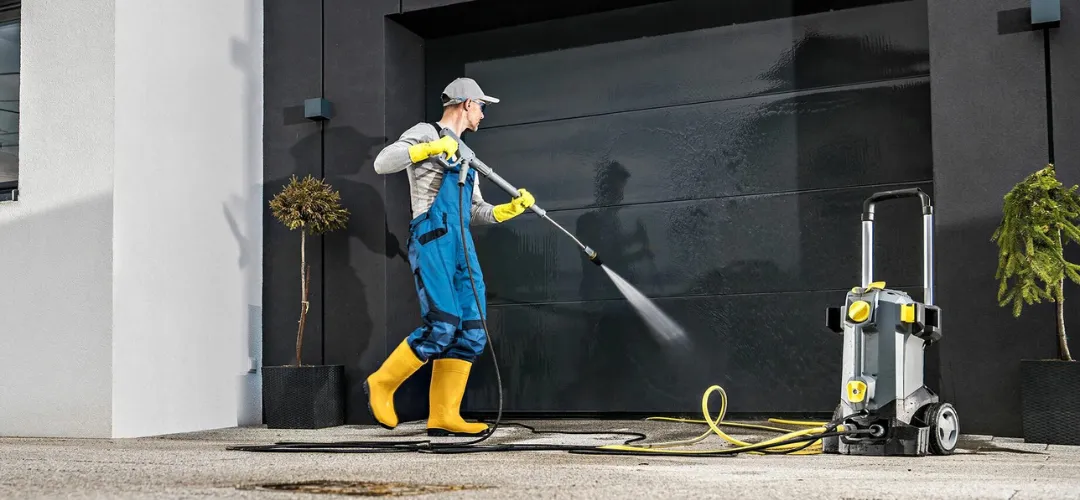
You rent a pressure washer for the weekend, feeling like a superhero with a power wand. The driveway looks incredible. Emboldened, you turn that roaring nozzle toward the side of your house, and within seconds a strip of paint peels off like sunburned skin. Now you’ve got a bright new patch of bare wood and a sinking feeling in your gut.
Here’s the thing. Not every surface can handle brute force. A blast of water strong enough to strip concrete will happily tear through siding, gouge stucco, and rip shingles right off your roof. What felt like progress turns into a repair bill.
So which surfaces need a gentler touch? This guide walks through five building materials that demand soft washing instead of raw power, why they break under pressure, and how to clean them without leaving a mark. By the end, you’ll know exactly when to ease off the trigger.
What Soft Washing Actually Is and Why It Matters
Before we get to the list, let’s clear up the confusion. Soft washing isn’t just pressure washing turned down a notch. It’s a different approach entirely.
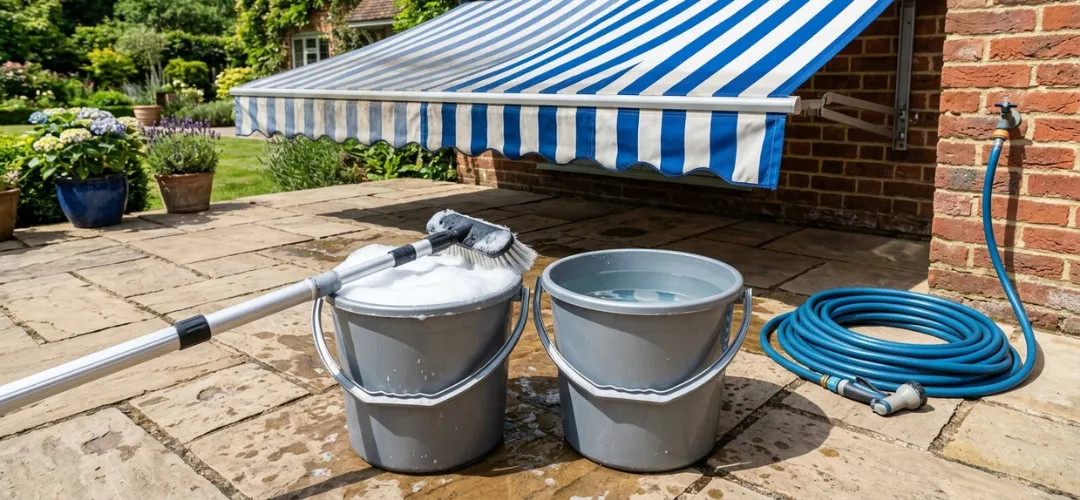
Instead of relying on force, soft washing uses a specialized detergent and a gentle surfactant to break down grime at the source. The cleaning solution does the heavy lifting, dissolving mold, algae, and mildew right down to the root. Then a light rinse carries everything away. No gouging, no stripping, no damage.
Think of it like the difference between scrubbing a delicate shirt versus sandblasting it. Low-pressure washing cleans by chemistry, while its aggressive cousin cleans by muscle. One respects the material. The other bulldozes through it.
Why does this matter so much? Because using the wrong method costs you twice: once for the botched cleaning and again for the repair. Choosing the right technique protects your property value, your curb appeal, and your wallet all at once.
Here’s a quick side-by-side to make the difference obvious:
| Feature | Soft Washing | High-Pressure Method |
| Cleaning power | Detergent and surfactant | Water force alone |
| Water pressure | Roughly 100 PSI or less | 1,500 to 4,000 PSI |
| Best for | Delicate, painted, porous surfaces | Concrete, driveways, hard masonry |
| Kills organisms | Yes, at the root | No, just blasts surface layer |
| Risk of damage | Very low | High on soft materials |
That last row is the whole point. When the surface is fragile, gentle wins every time.
1. Painted Wood Siding
Start with the classic mistake. Painted wood siding looks tough, but it’s one of the easiest surfaces to wreck with too much force.
Wood is porous and flexible, and paint is essentially a thin protective skin sitting on top. Hit it with a concentrated jet and that skin peels, splinters, and lifts. Worse, the water forces itself behind the boards, soaking the wood and creating the perfect breeding ground for rot and mold you can’t even see.
What surfaces can you not pressure wash? Painted wood tops the list. The damage often shows up weeks later as bubbling paint, warped planks, or a musty smell creeping through the walls.
Soft washing handles it beautifully instead. A low-pressure application of detergent lifts dirt, cobwebs, and mildew without touching the paint layer. A gentle rinse finishes the job, leaving siding that looks freshly painted without a single stripped board.
Signs your siding needs the soft touch:
- Chalky or fading paint
- Green or black streaks near gutters and shaded areas
- Older wood with visible grain or soft spots
- Any peeling that’s already started
2. Stucco
Stucco has a reputation for being rugged. It’s cement-based, after all. But that reputation gets a lot of homes into trouble.
The problem is that stucco is porous and prone to hairline cracks you may not even notice. Aim high-pressure water at it and you’ll drive moisture deep into those cracks, widening them and loosening the finish. Chunks can literally blow off the wall, leaving pockmarks and exposed patches that invite even more water damage.
So can you pressure wash stucco safely? Not without real risk. The textured surface traps dirt and organic growth, which tempts people to crank up the power to blast it clean. That’s exactly the wrong instinct.
A softer approach works far better here. The right detergent seeps into the texture, kills the algae and mildew living in the pores, and lifts staining without disturbing the finish. This kind of building washing without surface damage keeps the wall intact while restoring that clean, uniform look. Then a controlled rinse washes the grime away without forcing water where it doesn’t belong.
3. Roof Shingles and Tiles
Your roof might be the most expensive surface on your entire property, and it’s shockingly easy to destroy with a wand.
Asphalt shingles are coated with protective granules that shield your home from UV rays and weather. Blast them with force and those granules wash straight into the gutter, shaving years off the roof’s life. High pressure can also lift shingle edges, crack roof tiles, and drive water under the layers where leaks are born. That’s a lot of damage for a cleaning job.
Those ugly black streaks running down a roof? They’re a hardy algae called Gloeocapsa magma, and force alone won’t kill it. You have to treat it chemically, which is exactly what soft washing does.
Here’s why gentle cleaning is the only smart choice for a roof:
- It kills algae, moss, and lichen at the root so stains don’t return fast
- It preserves the protective granules on shingles
- It won’t crack, chip, or dislodge tiles
- It avoids forcing water beneath the roofing layers
Never point pressure washing equipment at a roof. The short-term shine isn’t worth the long-term leaks and the shortened lifespan of a very costly investment.
4. EIFS and Dryvit Synthetic Stucco
If your building has EIFS, also called Dryvit or synthetic stucco, you’re dealing with one of the most delicate exteriors out there.
EIFS is a multi-layer system built over foam insulation board, finished with a thin synthetic coating. It looks like traditional stucco but behaves nothing like it. That outer layer is soft, and a strong jet of water will dent, crack, or puncture it in an instant. Once water breaches that coating, it gets trapped against the foam and creates hidden moisture problems that are miserable and expensive to fix.
This is textbook territory for gentle methods. A good alternative to pressure washing exists precisely for materials like this, and that alternative is soft washing. Curious about what is a good alternative to pressure washing? For synthetic stucco, low-pressure detergent cleaning is the only safe answer.
The process is careful and methodical. Cleaning crews apply a diluted solution that clings to the surface, dissolves the mildew and staining, then rinse it away with barely any pressure at all. The coating stays sealed, the insulation stays dry, and the finish looks refreshed. For any exterior house cleaning involving EIFS, this is non-negotiable.
5. Aged Brick and Deteriorating Mortar
Brick feels indestructible. And solid, modern brick can handle a fair amount. But aged brick and the crumbling mortar between it? That’s a different story.
Over decades, mortar joints soften and erode. The brick itself can grow porous and brittle. Blast old masonry with high pressure and you’ll blow out the mortar, chip the brick faces, and open gaps that let water pour into the wall. On a historic building, that kind of damage can be irreversible.
Here are the surfaces that should not be pressure washed when it comes to masonry:
- Historic or century-old brick
- Walls with soft, sandy, or receding mortar joints
- Hand-molded or reclaimed brick
- Any masonry showing existing cracks or spalling
Soft washing treats these walls with the respect they deserve. A gentle detergent breaks down the moss, algae, and atmospheric grime clinging to the porous surface, and a light rinse clears it away. The mortar stays put, the brick stays whole, and centuries of character remain intact. Effective building exterior cleaning on old masonry is about patience, not power.
When to Call in the Professionals
You can handle some cleaning yourself. But the surfaces above? They reward experience and punish guesswork. Knowing when to hand off the job saves you from costly mistakes.
The trouble with delicate exteriors is that the wrong pressure, the wrong detergent ratio, or the wrong rinse can cause damage you won’t notice until it’s too late. Trained crews know exactly how to read a surface and match the method to the material. That’s the real value of professional building washing: not just clean walls, but clean walls with zero collateral damage.
Consider bringing in a pro when:
- You’re cleaning a multi-story exterior that needs ladders or lifts
- The surface is painted wood, stucco, EIFS, or aged masonry
- Your roof shows algae streaks or moss growth
- You spot existing cracks, peeling, or soft spots
- You simply don’t want to gamble with an expensive surface
For larger properties, the stakes climb even higher. Building washing for commercial properties involves bigger surface areas, tighter timelines, and more visible curb appeal riding on the result. A storefront covered in grime tells customers the business doesn’t sweat the details, so getting it right matters.
Reputable building washing services arrive with the correct equipment, eco-friendly solutions, and the know-how to protect landscaping, windows, and fixtures along the way. When you weigh a modest service fee against the cost of repainting siding or replacing a roof, professional exterior building washing pays for itself. And the same logic scales up for any building washing project, residential or commercial.
Match the Method to the Surface
Here’s what it all comes down to. More pressure isn’t more clean, it’s more risk. The surfaces that make your property look its best are often the ones least able to survive a high-powered blast. Painted wood, stucco, roof shingles, synthetic EIFS, and aging brick all demand a gentler hand.
So before you fire up high-pressure cleaning on your next project, take a hard look at the surface. If it’s soft, porous, painted, or old, ease off the trigger and reach for the gentler method instead.
Ready to bring your building back to life without the risk? At The Awning Cleaners. We specialise in building washing services that restore brightness, cleanliness, and value to both residential and commercial properties. Call us at (323) 273-3058 or visit https://cleanmyawning.com/building-washing/ to schedule your soft wash and see the difference the right method makes.
Frequently Asked Questions
1. What is the difference between building washing and pressure washing?
Building washing is a broader cleaning service that uses the safest method for each surface, including soft washing for delicate materials and pressure washing for durable ones like concrete.
2. Which building surfaces should never be pressure washed?
Painted wood siding, stucco, EIFS (synthetic stucco), roof shingles, and aging brick with deteriorating mortar are best cleaned using soft washing.
3. How often should a building be professionally washed?
Most residential and commercial buildings benefit from professional washing every 12–24 months, depending on climate, pollution, and organic growth.
4. Does soft washing remove mold, algae, and mildew permanently?
Soft washing eliminates mold, algae, and mildew at the source using specialized cleaning solutions, providing longer-lasting results than pressure washing alone.
5. Is professional building washing worth it?
Yes. Professional building washing helps prevent surface damage, extends the lifespan of exterior materials, improves curb appeal, and protects your property’s value.